ADU
We Believe Thoughtful Design Supports Everyday Living
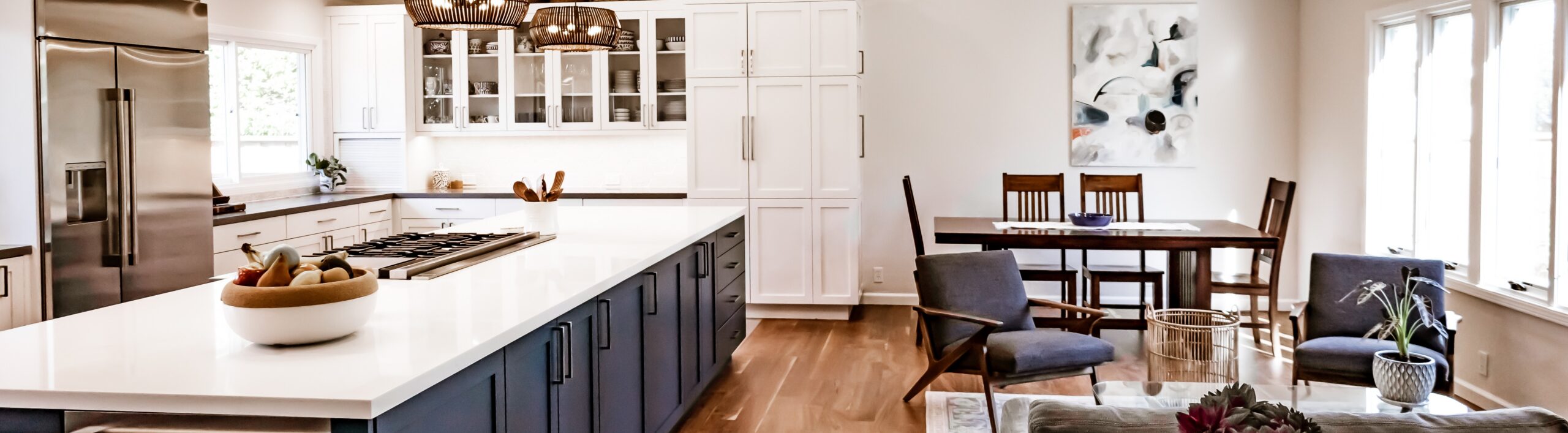
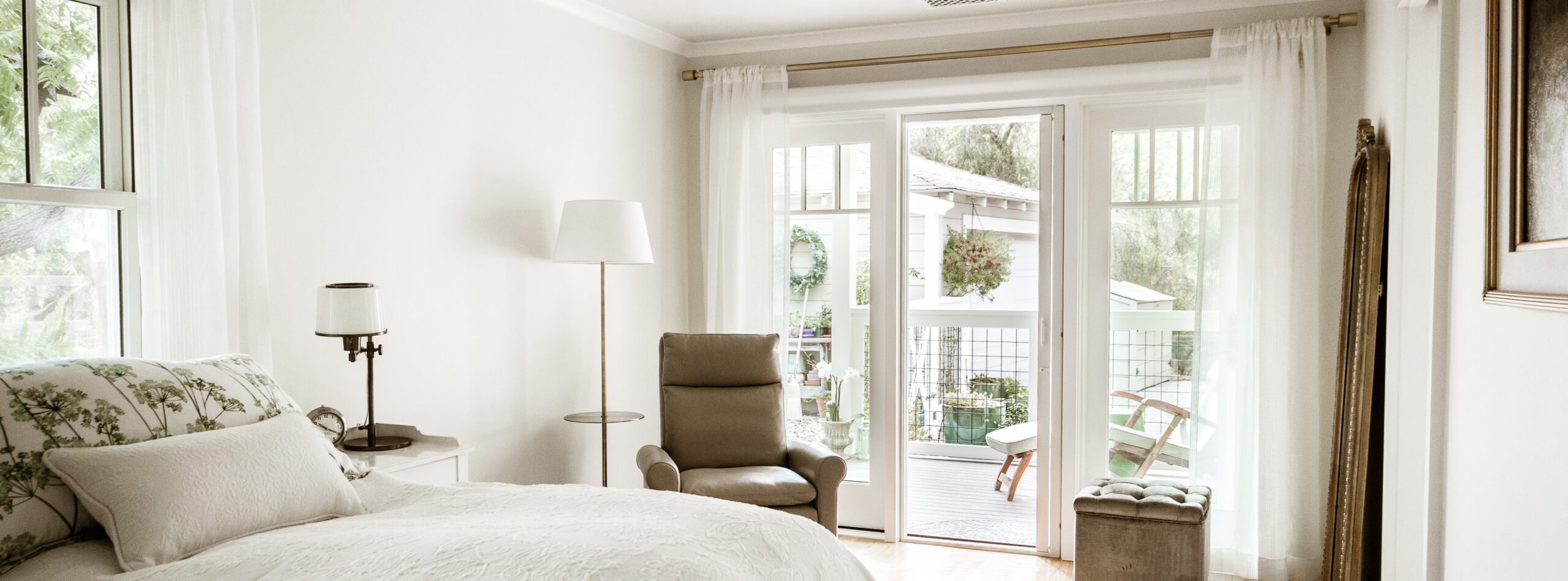
As the needs of a household change over time, an ADU can provide flexible additional space while allowing homeowners to remain connected to the home and neighborhood they already love. Whether used for extended family, guests, a home office, or independent living space, an accessory dwelling unit can add long-term functionality and versatility to a property.
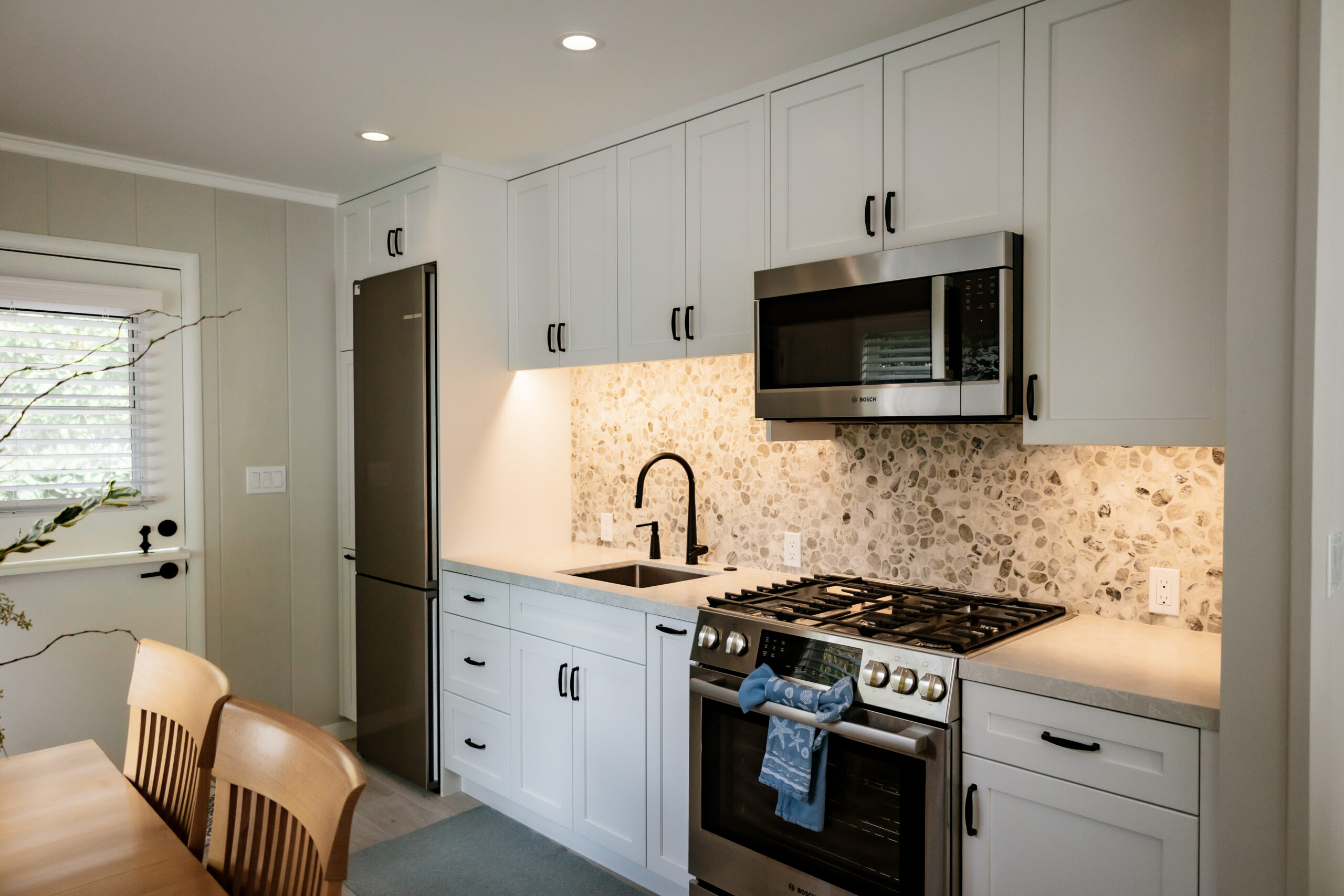
At Heartwood Residential Design + Build, we design ADUs to feel intentional, comfortable, and well connected to the existing home. Through planning, careful design, and disciplined construction, we create spaces that support the way people live today while remaining adaptable for the future. Throughout the process, we work closely with homeowners to ensure each project reflects their priorities, goals, and long-term needs.
ADU Design and Construction in San Jose
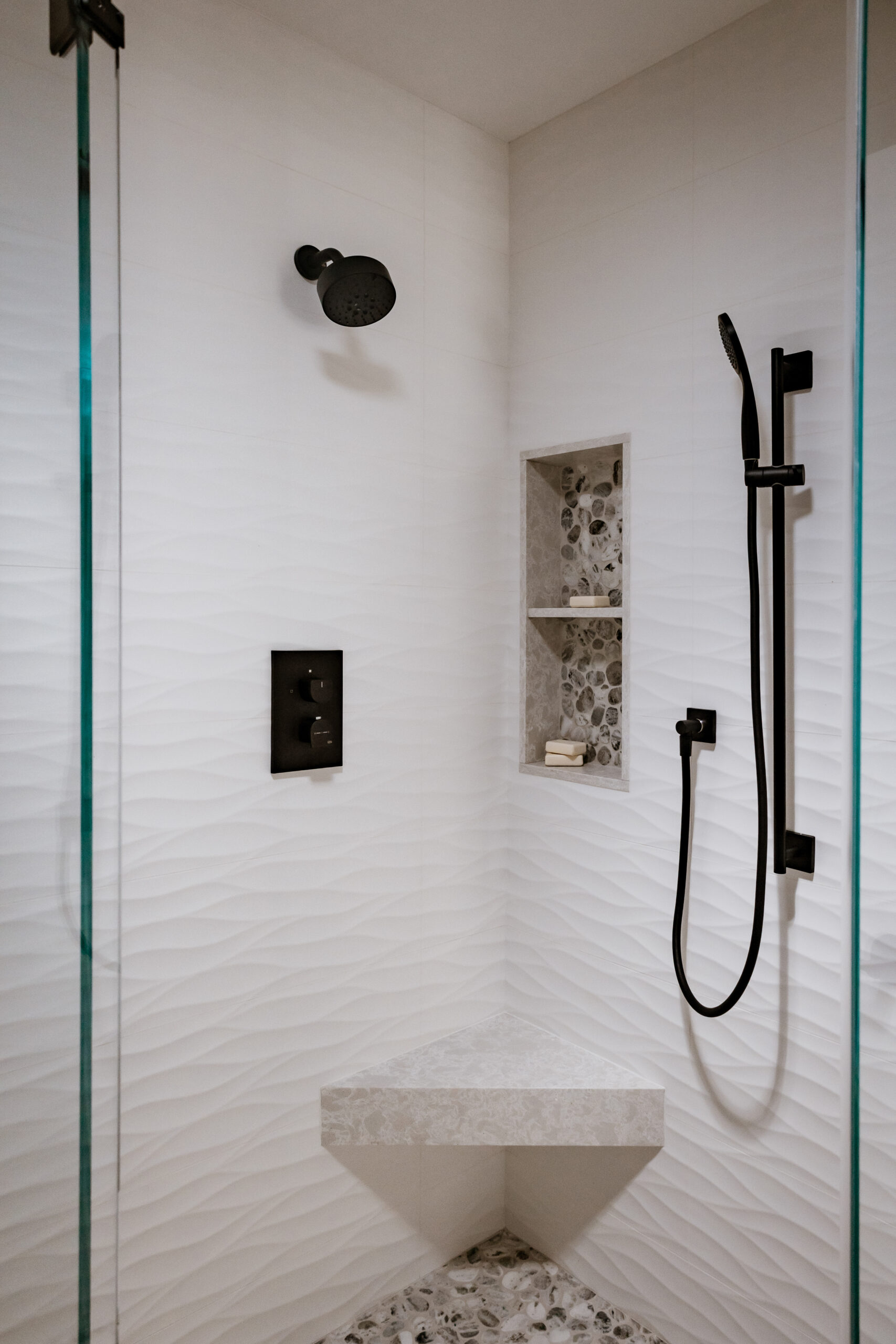
At Heartwood Residential Design + Build, we approach ADU projects with careful planning, clear communication, and a process designed to help homeowners feel informed and supported from start to finish. From early feasibility and budgeting discussions through design, permitting, and construction, our goal is to create a smooth and organized experience throughout the project.
Whether the ADU is intended for guests, extended family, a home office, rental income, or flexible long-term living, we design spaces that feel functional, comfortable, and well integrated with the existing property. Our team brings experience navigating local zoning, permitting, and construction requirements throughout Silicon Valley while creating ADUs built around the specific needs of each homeowner.
Why Heartwood Residential Design + Build?
Drawing from generations of experience in residential construction, we bring a deep understanding of the homes, neighborhoods, and architectural character found throughout Silicon Valley. Having grown alongside the region as it has evolved over the decades, we understand both the character of older homes and the changing needs of the people who live in them today. We approach every project with careful planning, clear communication, and a collaborative process designed to help homeowners feel informed and supported from start to finish. Our goal is not only to create thoughtful, well-crafted spaces, but to build lasting relationships through a remodeling experience grounded in care and trust.
-

A family-owned company shaped by generations of experience
-

Deep knowledge of regional architecture, construction, and design
-

Organized remodeling process built around clear communication
-

Experienced in navigating local building and permitting requirements to help projects move forward efficiently
Frequently Asked ADU Questions
-
What does it cost to build an ADU in Silicon Valley?
The cost of an ADU depends on a number of factors, including size, site conditions, design complexity, material selections, utility connections, and local permitting requirements. Detached ADUs, garage conversions, and attached ADUs can each vary significantly in scope and overall investment.
At Heartwood Residential Design + Build, we help homeowners understand these variables early in the planning process so budgets, design priorities, and long-term goals can be aligned from the beginning. Our goal is to create ADUs that feel integrated, functional, and built for lasting value.
-
Do I need a permit to build an ADU in California?
Yes. ADUs require permits and must comply with local zoning, building, and utility requirements. While California has introduced legislation that has made ADU construction more accessible in many areas, each city still has its own review and permitting process.
Our team guides homeowners through permitting, planning, and coordination with local jurisdictions throughout Silicon Valley, helping projects move through the process as efficiently and clearly as possible.
-
What is the difference between an ADU and a room addition?
A room addition expands the existing home by adding living space that remains connected to the primary residence. An ADU, or accessory dwelling unit, is a separate living space designed to function more independently, typically including its own kitchen, bathroom, and living areas.
Homeowners often choose ADUs to create flexible space for extended family, guests, rental income, home offices, or long-term multigenerational living.
-
What size can an ADU be in California?
ADU size allowances vary depending on local zoning regulations, lot size, and the type of ADU being built. Cities throughout Silicon Valley may have different requirements related to square footage, setbacks, height limits, and parking considerations.
During the planning phase, we help homeowners evaluate what is feasible for their property while balancing functionality, design goals, and local building requirements.
Considering a Remodeling Project?
Start with a conversation. We’ll learn more about what you’re considering and determine whether
Heartwood may be a good fit. If it makes sense to continue, we’ll schedule a time to meet at your home
and discuss the project in more detail.
There is no cost for the initial phone call or in-home meeting.